Ibuprofen
Advil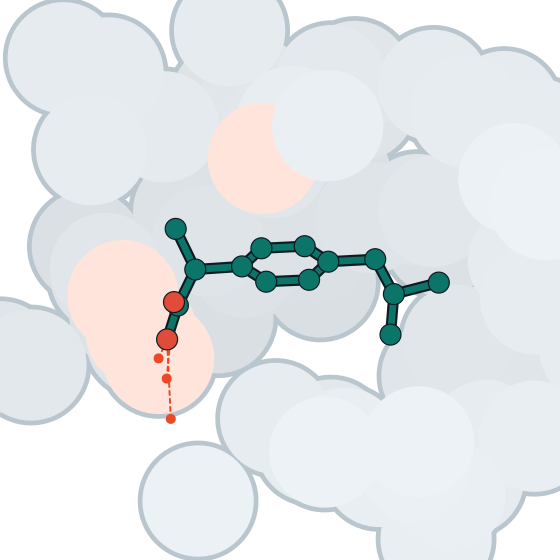
3 polar contacts with 2 residues, each within 3.5 Å
Residue numbers are as deposited in this structure (as deposited; +1 vs. conventional COX numbering).
Blocks an enzyme called cyclooxygenase that the body uses to make prostaglandins — chemical signals that cause pain, swelling, and fever — so fewer of these signals get made.
How it works
Ibuprofen blocks two related enzymes in the body, COX-1 and COX-2, that are needed to make prostaglandins — natural chemicals released when tissue is injured or irritated that cause pain, swelling, and fever. With fewer prostaglandins being made, nerves become less sensitive to pain, swollen tissue calms down, and the brain's temperature control resets closer to normal. Blocking COX-2 is mainly what relieves pain, swelling, and fever, while blocking the related COX-1 enzyme — which normally helps protect the stomach lining and aid blood clotting — is why ibuprofen can sometimes upset the stomach or affect bleeding. That trade-off is why it's recommended to use the lowest effective dose for the shortest time needed.
What it’s used for
Ibuprofen is approved to ease pain and swelling from conditions like rheumatoid arthritis and osteoarthritis, to treat mild-to-moderate pain generally, and to relieve menstrual cramps. Over-the-counter versions are also labeled for short-term relief of headaches, toothaches, backaches, muscle aches, minor arthritis pain, and cold-related aches, plus bringing down fevers.
- Mechanism
- COX-1 / COX-2 inhibitor
- Drug class
- Small molecule
- Therapeutic area
- Analgesic / Anti-inflammatory
- Structure shown
- X-ray, 2014